
You’ve moved in… but your home still doesn’t feel right
Moved in but your home does not feel finished yet. Here are the five most common reasons why spaces feel flat or awkward, plus practical fixes you can action this week.
1. The scale is off
Even beautiful, high quality furniture feels wrong when it is not the right size for the room. A sofa that is too petite for an open plan living room will float. An oversized bed will crowd a modest bedroom.
How to fix it
Map your room with painter’s tape before you buy. Mark the footprint of the sofa, side tables, and rug to check proportion.
Use the largest rug your room can take. As a guide, aim to have front legs of sofas and chairs on the rug so the zone feels anchored.
Match coffee table height to within a few centimetres of the sofa seat height. A large living room usually needs a larger coffee table or a pair of tables.
Choose a bedhead that sits roughly two thirds to three quarters of the wall height in standard rooms. Pair it with bedside tables that match the bedhead height for a tidy visual line.
Quick check
If the room feels busy yet weirdly empty, you probably have too many small pieces. Fewer, larger items usually bring the balance back.
2. The lighting feels cold and flat
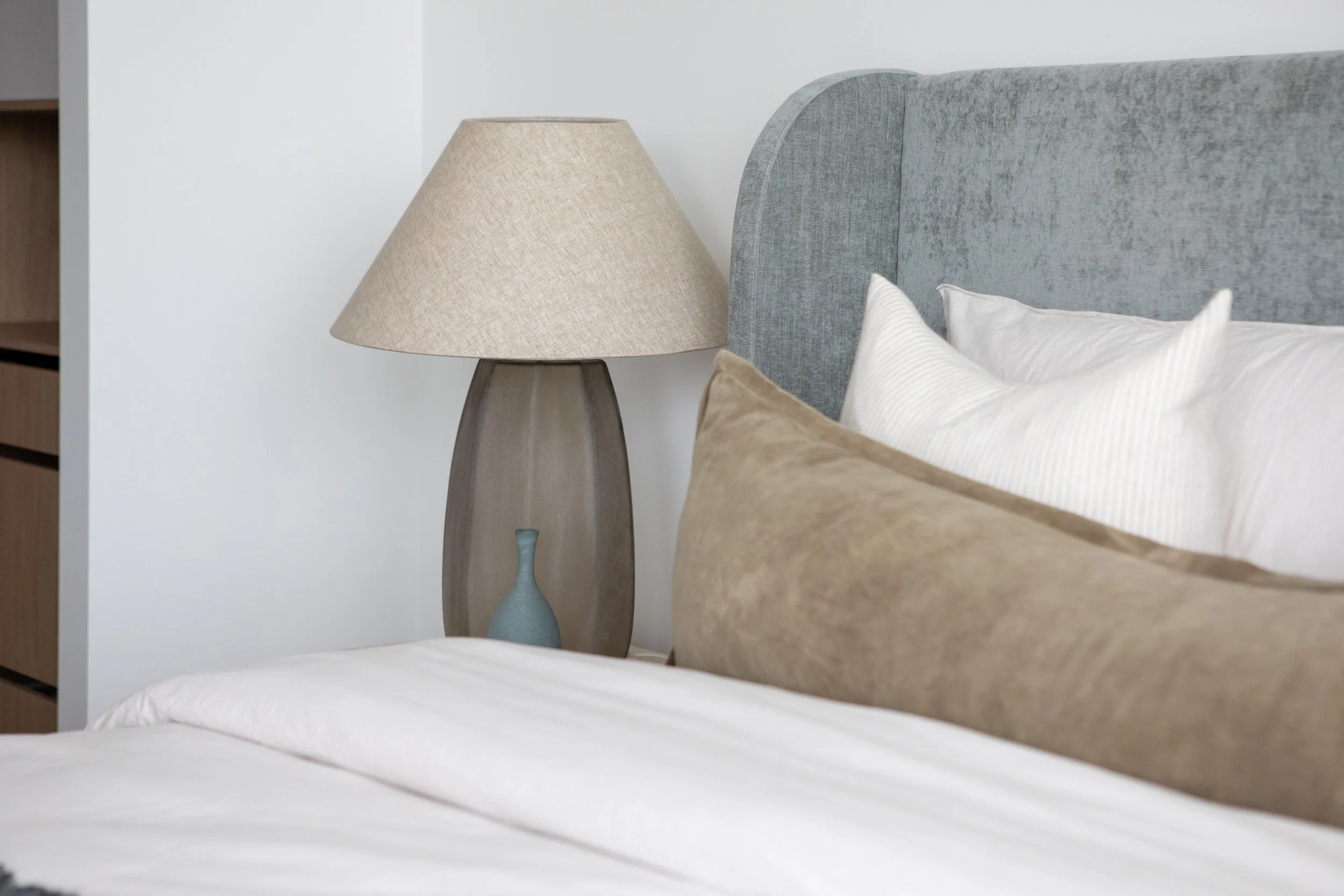
Grids of downlights make rooms bright but lifeless. Without layers, everything looks the same and the space feels clinical at night.
How to fix it
Aim for three layers of light in every key room. Ambient for overall glow, task for reading or cooking, and accent for mood and display.
Add wall sconces or picture lights to break up flat ceilings.
Introduce LED strip lighting inside built ins, along shelves, or under vanities.
Use table and floor lamps to create pools of light in corners and beside seating.
Warm the colour temperature for evening. Softer globes bring out natural materials and stop whites from looking harsh and feeling clinical.
Quick check
Turn off half the ceiling lights at night and switch on lamps. If the room immediately feels calmer, you need more layered lighting.
3. Paths of travel are blocked
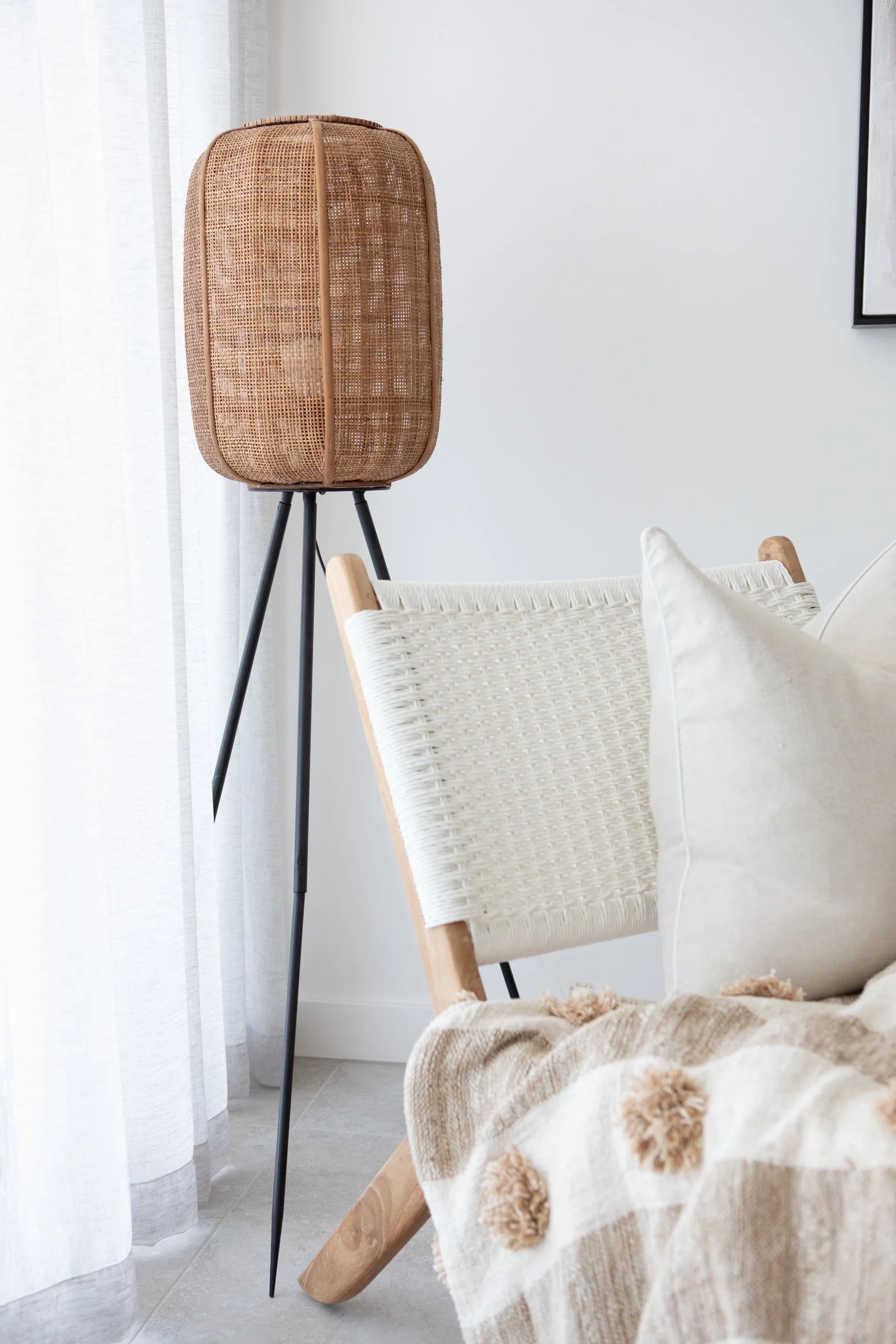
If you find yourself dodging corners or squeezing past furniture, the layout is working against daily life. Rooms feel smaller when circulation is poor.
How to fix it
Protect a clear path from doorways to seating and to the kitchen or outdoor space. Avoid placing the back of a chair in the natural walkway.
Leave comfortable clearance around dining tables so chairs can move freely. Plan for people to walk behind a seated person without a shuffle.
Float living furniture off the walls in open plan rooms. Use the rug to define the zone and keep walkways obvious.
Quick check
Walk through the space with a tray in your hands. Any spot that feels awkward needs a rethink.
4. Your colours and materials do not connect
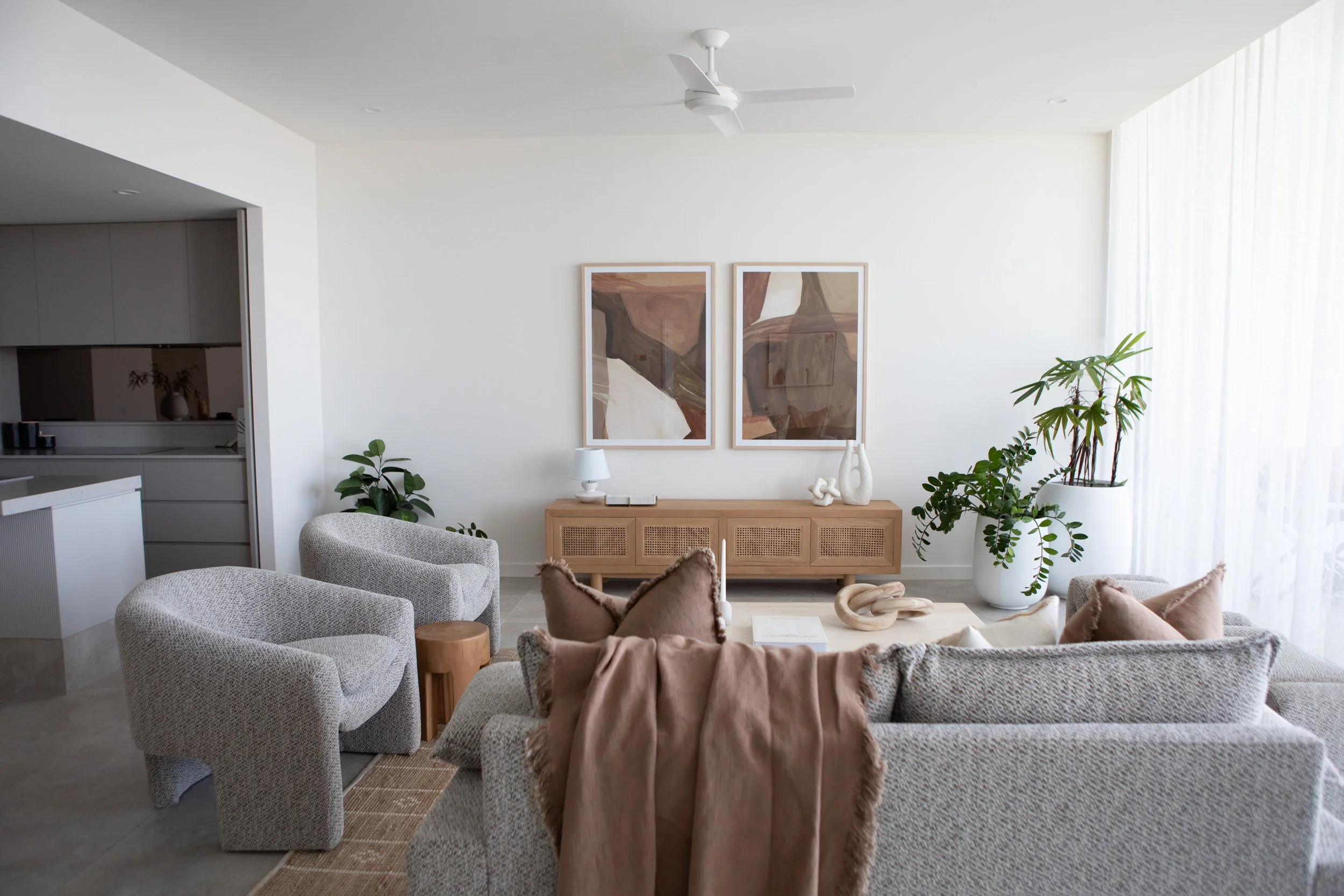
When nothing repeats, rooms feel disconnected. Five unrelated timber tones, three different metal finishes, and a loud feature tile will compete rather than relate.
How to fix it
Choose one hero material such as a stone benchtop or a timber tone. Build the rest of the palette to support it.
Repeat the same timber or metal in at least two places. Consistency creates calm.
Use a simple neutral base and add texture for depth. Linen, wool, timber, ceramic and rattan bring warmth without visual noise.
Carry accent colours between rooms so the home feels like one story not many chapters.
Quick check
Place your samples together in daylight to ensure you have a cohesive palette. If one finish shouts, either reduce its use or find a quieter alternative that plays nicely with the rest.
5. You think you need more stuff, when you actually need better balance, flow, and layering
Most homes do not need more decor. They need intentional placement, a clearer focal point, and layers that add softness and interest.
How to fix it
Create one hero or focal point per zone, with two more supporting focal points. In living rooms it could be a fireplace, a large artwork, or a beautifully styled media unit.
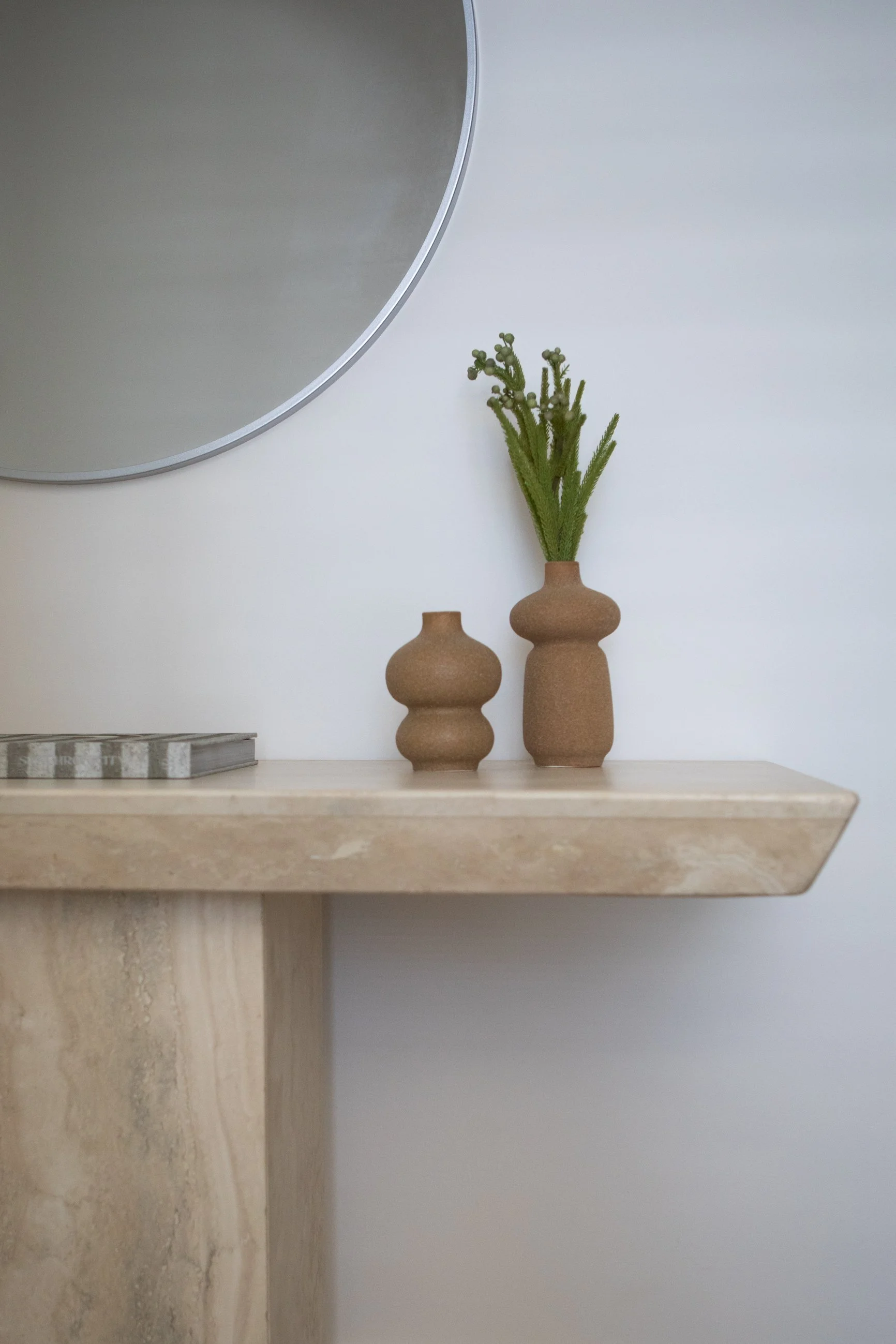
Style in odd numbers and vary height, shape, and texture. Books, vessels, a small plant, and a sculptural object can be enough.
Add soft layers where people touch the room. Rugs underfoot, cushions with varied texture not just colour, and window sheers to diffuse harsh light.
Edit often. Remove anything that does not serve beauty or function.
Quick check
If you can remove three items and the room looks better, you had a clutter issue not a character issue.
You might not need to renovate. You might just need the right plan for scale, lighting, flow, and a cohesive palette. If you want a professional eye on layout, materials, and styling that works for real life in Brisbane, the Sunshine Coast, or the Gold Coast, book a complimentary discovery call. We can map a simple plan that makes your home feel finished and genuinely yours.