
The Renovation Decisions to Make First Before Construction Begins
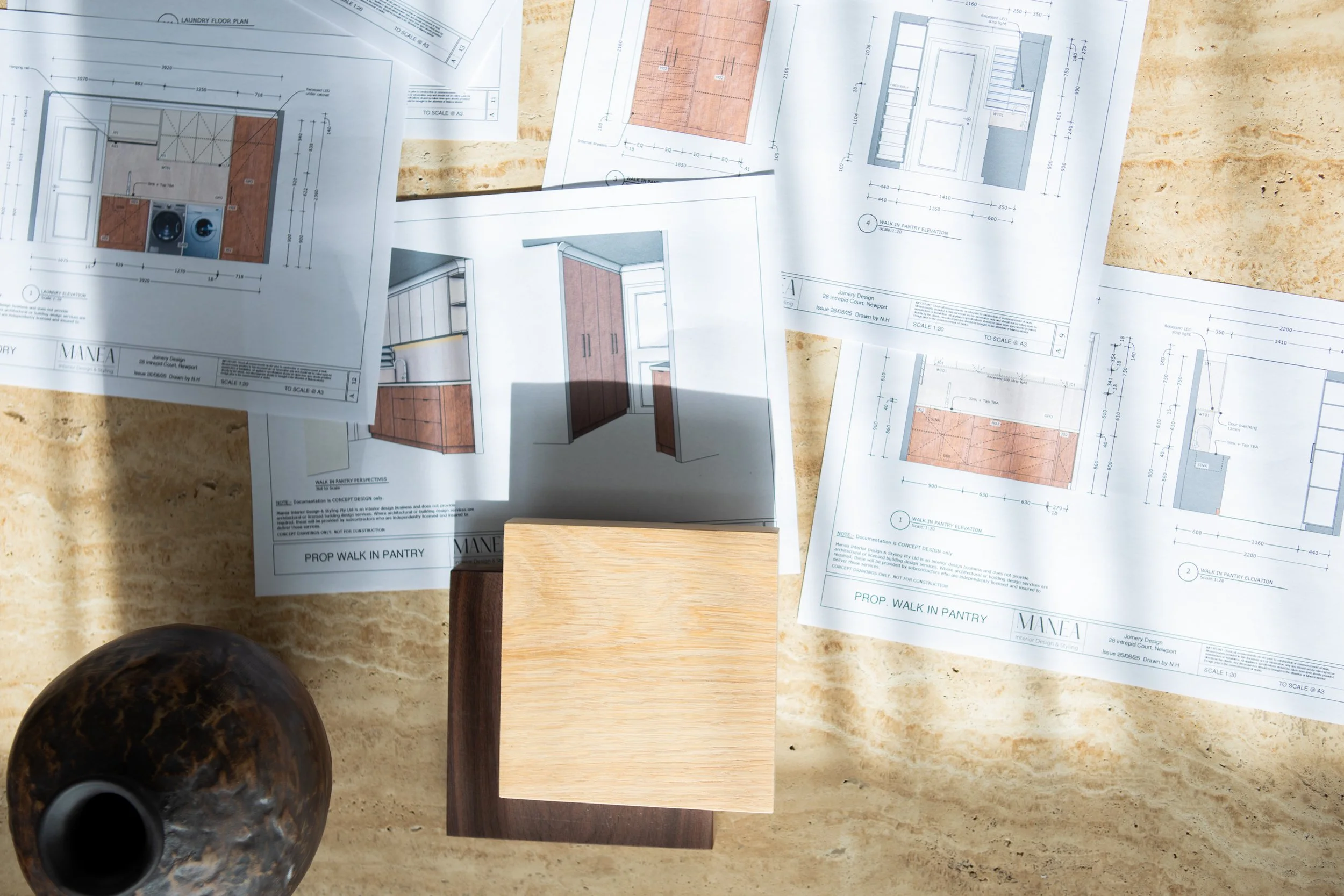
Plan First. Select Second
Renovating a home involves hundreds of decisions, but they do not all need to be made at once.
One of the main reasons homeowners become overwhelmed is that every choice begins to feel equally urgent. Tiles, tapware, paint colours, furniture, lighting and styling are all competing for attention before the project has a clear foundation.
A more manageable approach is to make decisions in the order that they affect the design, construction and budget.
Start With How the Home Needs to Work
Before selecting any finishes, consider how the home should function.
Ask yourself:
• Which areas are not working now?
• Where do you need more storage?
• How does your household move through the home?
• Will rooms need to serve more than one purpose?
• Are there future lifestyle changes to consider?
These questions influence the floor plan, joinery and electrical requirements. They cannot be resolved later with styling.
A beautiful finish will not compensate for an awkward layout or insufficient storage.
Resolve the Floor Plan Early
Changes to walls, doorways, wet areas and major joinery should be explored before detailed selections begin.
Your floor plan affects:
• Kitchen workflow
• Bathroom layouts
• Furniture placement
• Circulation
• Storage
• Lighting
• Power locations
It is far easier to compare layout options on paper than after demolition or construction has begun.
Make the Expensive Fixed Decisions Next
Once the layout is resolved, focus on materials and fixtures that are costly or difficult to change.
These may include:
• Flooring
• Cabinetry
• Benchtops
• Plumbing fixtures
• Major appliances
• Windows and doors
• Built in lighting
• Custom joinery
These selections create the visual and functional foundation of the home. They also affect trade pricing, lead times and documentation.
Plan Lighting and Electrical Before Construction
Lighting and power should be planned around furniture, joinery and daily routines.
Consider where beds, sofas, televisions, desks and dining tables will sit. This allows outlets, pendants, switches and wall lights to be positioned with purpose.
Leaving these decisions until an electrical appointment often results in a generic plan that does not fully support how the finished rooms will be used.
Decisions That Can Wait
Some selections are important, but they do not need to be finalised at the beginning.
These may include:
• Decorative cushions
• Styling accessories
• Smaller artwork
• Occasional furniture
• Decorative objects
• Final shelf styling
These pieces should support the finished interior rather than dictate the early design direction. Waiting also gives you time to understand the proportions, light and character of the completed space.
Use One Decision to Guide the Next
Every decision should contribute to the same overall vision.
Flooring influences cabinetry. Cabinetry affects benchtops. Benchtops inform tiles. Furniture layouts guide lighting.
When the sequence is logical, each decision narrows the next set of options. This reduces decision fatigue because you are no longer choosing from everything available. You are assessing what belongs within an established plan.
A successful renovation is not about making every decision quickly. It is about making the right decisions in the right order. Beginning with layout, functionality and fixed elements gives your project a strong foundation. Smaller decorative decisions can then be made later, when they can respond to the completed home.
At Manea Interior Design, we help homeowners develop a clear design direction, resolve the major decisions and document selections before construction begins.
This creates a more organised process and a home that works beautifully for everyday life.