
Why Your Pinterest Board Is Making Your Renovation Harder
Pinterest can be an excellent way to collect ideas. It can also make your renovation far more confusing. The problem is not the number of beautiful interiors available. It is that the images may represent different architectural styles, budgets, climates and lifestyles. Saving everything you like does not automatically create a clear design direction.
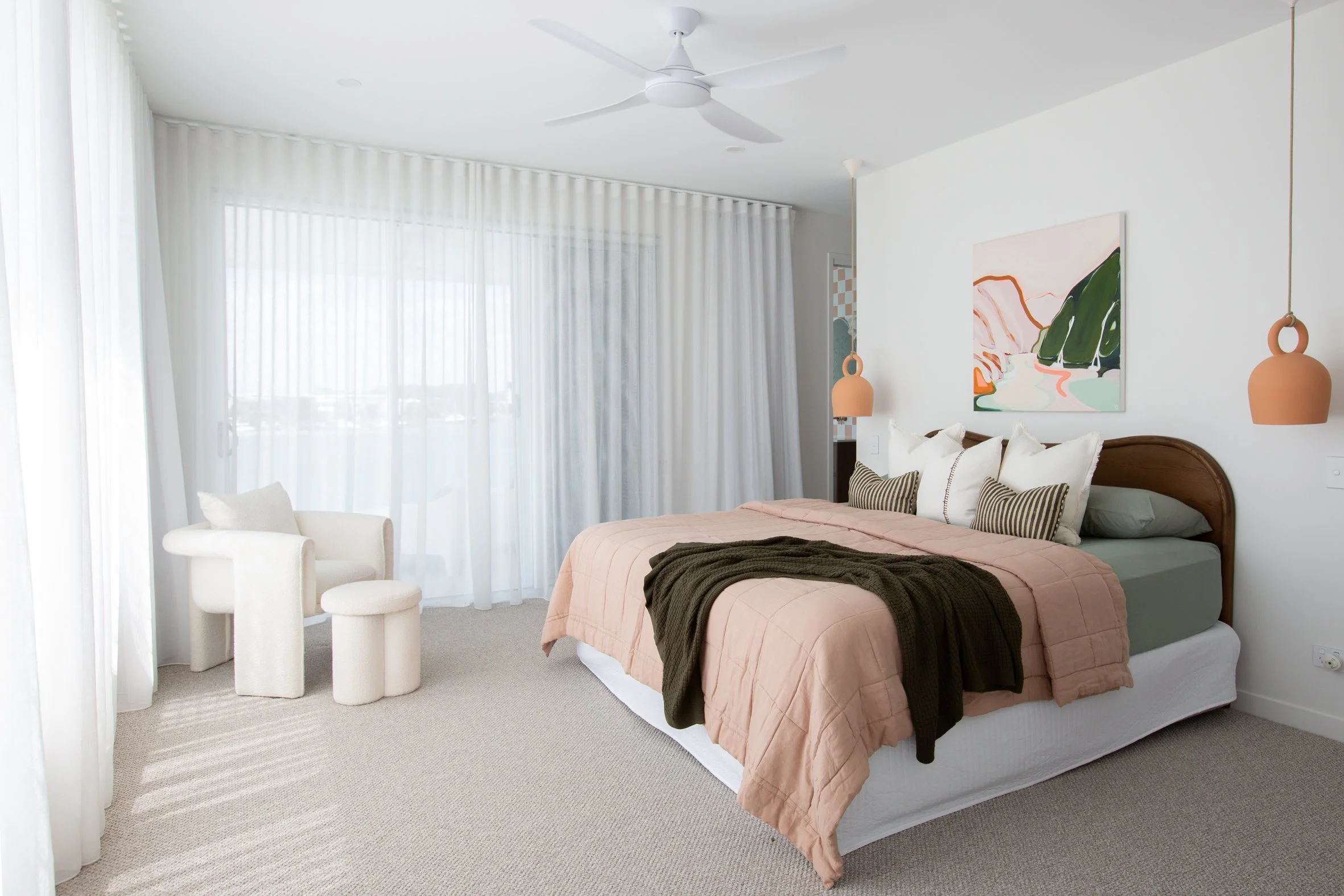
More Inspiration Is Not Always More Clarity
Inspiration Is Not a Specification
A Pinterest image rarely tells you:
• The room dimensions
• The natural light
• The product names
• The construction cost
• The maintenance requirements
• Whether the room works well in daily life
Use inspiration images to identify ideas, not to copy an entire room without context.
Look for Repeated Patterns
Review your saved images and ask what consistently appears.
You may notice repeated preferences for:
• Warm or cool colours
• Light or dark timber
• Curved or straight forms
• High or low contrast
• Minimal or layered styling
• Contemporary or traditional details
These patterns reveal more than the individual images.
Remove Images That Conflict
A useful inspiration board should feel edited.
If one image is dark and traditional while another is bright and minimal, ask whether both genuinely represent the home you want.
You can appreciate a style without wanting to live in it.
Removing conflicting references makes the remaining direction stronger.
Separate Architecture From Styling
You may love an image because of its furniture, not its kitchen finishes.
Another image may appeal because of the natural light rather than the paint colour.
Identify exactly what you like about each image.
This prevents unrelated elements being combined without understanding why they worked in the original room.
Consider Your Existing Home
Your inspiration needs to respond to:
• The architecture
• Ceiling heights
• Window sizes
• Natural light
• Existing materials
• Location
• Lifestyle
A coastal Queensland home may require a different approach from a compact inner city apartment or a traditional character property.
Reduce the Board to a Clear Direction
Aim for a smaller group of images that collectively communicate:
• Overall mood
• Colour direction
• Material preferences
• Level of contrast
• Key design details
• Desired lifestyle
This becomes a useful reference for selections.
Move From Inspiration to Decisions
The next step is translating visual ideas into practical choices.
This requires:
• A floor plan
• A material palette
• A lighting approach
• Joinery planning
• Furniture layouts
• Product specifications
This is where professional design guidance can bridge the gap between an appealing board and a home that works.
Pinterest should help you communicate your preferences, not make every decision for you. A strong design direction comes from understanding the common thread within your inspiration and adapting it to your own home, budget and lifestyle.